

Why can RSV
be dangerous for children?
RSV: What every parent should know about the risks for young children
RSV (Respiratory Syncytial Virus) is a common cause of respiratory infections in children, especially during winter. For healthy children, it often causes mild symptoms such as a runny nose and cough. However, for infants under 3 months old and children with underlying medical conditions, RSV can cause serious complications. There is currently no curative treatment or approved vaccine for children against RSV, which makes preventive measures and research to develop a vaccine particularly important.
If your child is particularly vulnerable, you can register your interest for upcoming vaccine studies here.

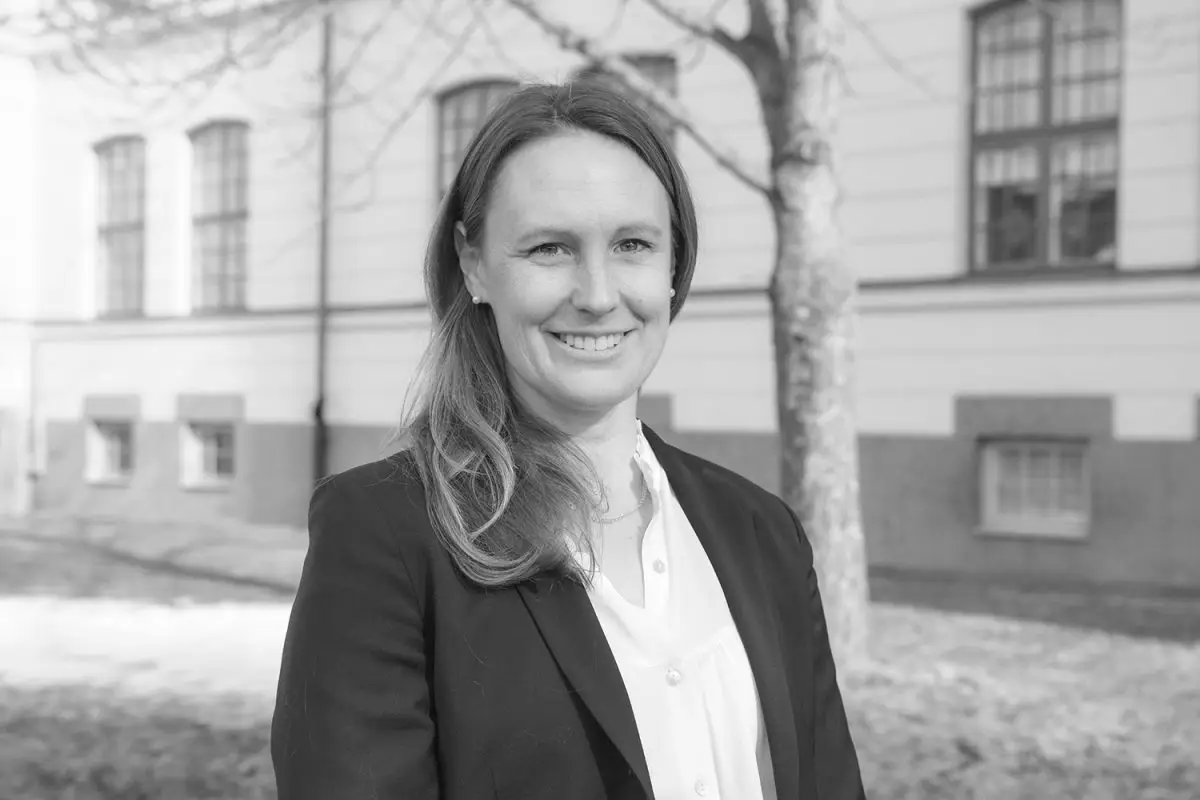
“Currently, there is no curative treatment for RSV, nor is there an approved vaccine for children. This highlights the need for effective preventive measures, as well as research to develop a vaccine that can protect the most vulnerable children from infection.”
Helena Litorp
MD, PhD, Assoc. Professor, CTC

Preventive measures to reduce the risk of RSV
To reduce the risk of infection, it is important to take preventive measures, such as good hand hygiene, avoiding contact with sick individuals, and maintaining a smoke-free environment. For high-risk children, immunoprophylaxis with monoclonal antibodies may be an option during the epidemic season.
Risk Groups and Potential Complications
Prematurely born children, children with chronic lung diseases or congenital heart defects, as well as children with weakened immune systems or neuromuscular diseases, are particularly vulnerable to RSV. The infection can lead to breathing difficulties, increased mucus production, and in some cases, life-threatening complications such as heart failure or sepsis. Symptoms to be especially aware of include breathing problems, bluish skin, high fever, and feeding difficulties.
How study participation works
Once you have registered your interest in participating in clinical studies at CTC, our staff will contact you if you fit into any of the ongoing studies. Please note that your participation is entirely voluntary, and you can withdraw at any time.
